
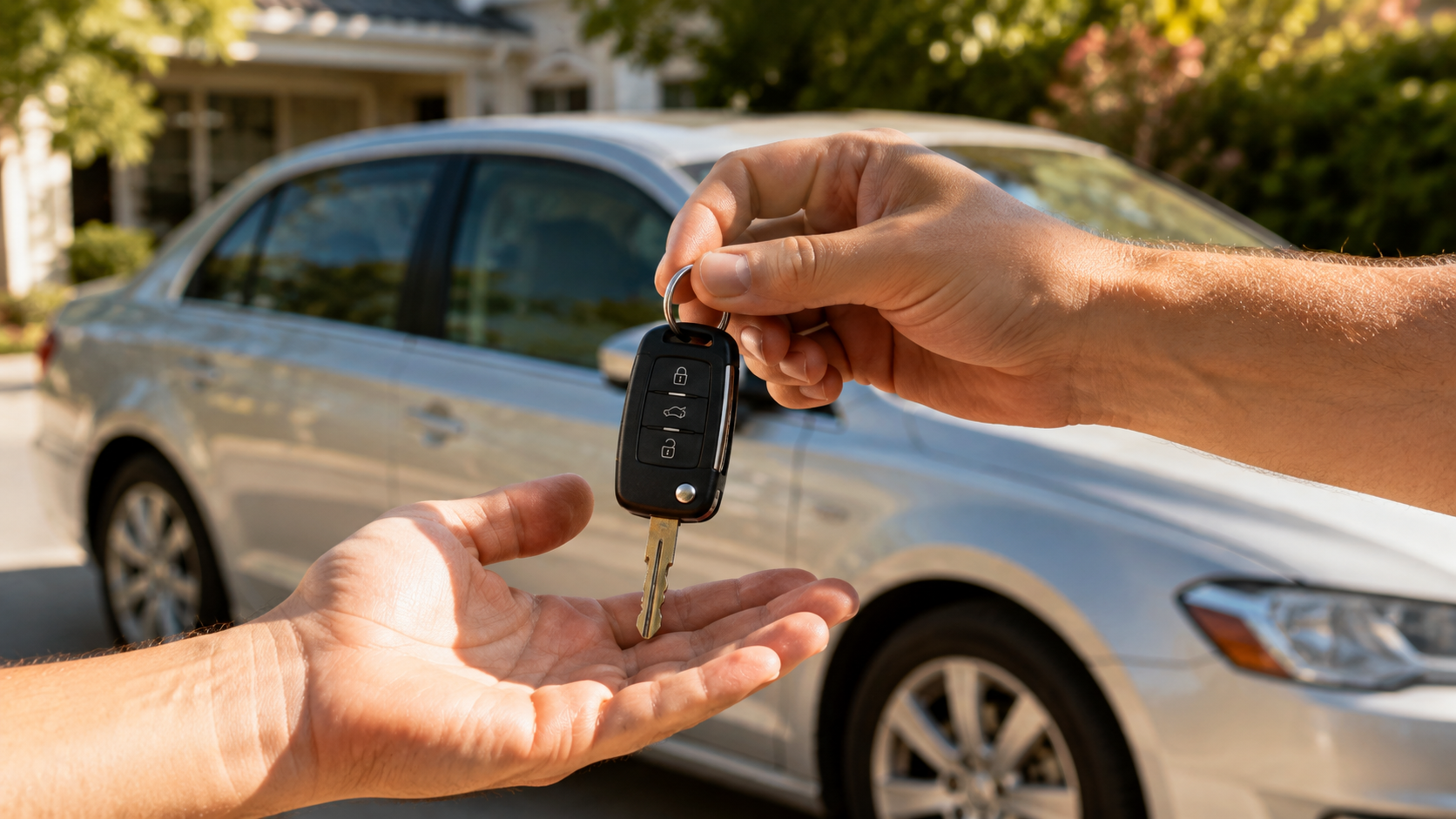
TL;DR: If you were hurt by someone driving a borrowed car, Florida permissive use law may let you recover from the vehicle’s owner, not just the driver, under the dangerous instrumentality doctrine.
Florida permissive use liability gives an injured victim a path to compensation from the owner of the vehicle that caused the crash, even when someone else was behind the wheel. Florida treats a motor vehicle as a dangerous instrumentality, and under that long-standing rule an owner who lets another person drive shares responsibility for the harm that driver causes. For someone recovering from a serious injury, that rule can be the difference between a real recovery and being left with unpaid bills after a driver with little insurance walks away.
These crashes happen more often than people realize. A teenager driving a parent’s car, a friend borrowing a truck, a coworker running an errand in someone else’s vehicle; in each case the person who owns the car may be on the hook alongside the driver. If you were injured in one of these wrecks anywhere across Boca Raton or the rest of South Florida, knowing how permissive use works helps you understand who can be held accountable.
What Florida’s dangerous instrumentality doctrine means for injured victims
Florida courts have held for more than a century that a car in motion can cause serious injury, so the person who owns it and hands it to another cannot simply walk away when that driver hurts someone. When the owner gives consent for another person to drive, the owner becomes vicariously liable for that driver’s negligence. For an injured victim, this means the owner’s insurance and assets may be within reach even though the owner was nowhere near the crash. The financial responsibility framework, including the owner definitions set out in Florida Statutes section 324.021, shapes how these claims are evaluated and how coverage responds.
The practical effect favors the person who was hurt. You can often pursue a claim against both the driver who caused the crash and the owner of the vehicle, which matters enormously when the driver carries a bare-minimum policy or none at all. Two potential sources of recovery are almost always better than one, and the owner’s coverage is frequently the larger of the two.
Consent is what opens the owner’s responsibility
Permissive use turns on consent. If the owner knowingly allowed the driver to use the vehicle, the doctrine generally applies, and it does not matter whether the owner meant one quick errand or a full weekend. Consent can be spoken or simply implied from a pattern of letting someone use the car. For a victim, this is good news, because owners often try to downplay how much permission they gave; Florida courts focus on whether permission existed, not on how narrowly it was described.
Why permissive use matters when the driver has little or no insurance
Many drivers who borrow cars carry minimal coverage, and some carry none. If your only path to recovery were the driver’s policy, a life-altering injury could leave you with a judgment you can never collect. Permissive use liability changes that math. Because the owner’s responsibility runs alongside the driver’s, you may be able to reach the owner’s policy for the medical bills, lost income, and lasting harm the crash caused.
The stakes are highest when injuries are serious. Emergency treatment, surgery, rehabilitation, time away from work, and long-term care add up quickly, and a single minimum policy rarely covers all of it. Being able to hold the owner accountable alongside the driver often means the compensation available actually reflects what a crash has cost you, rather than stopping at an arbitrary limit that has nothing to do with your recovery.
Reaching every available policy
Florida auto coverage generally follows the vehicle, so the owner’s liability policy is usually the first place a claim looks after a borrowed-car crash. When those limits fall short of a serious injury, the driver’s own policy may add coverage, and your uninsured or underinsured motorist coverage can come into play as well. Insurers do not always volunteer every available source, and they sometimes dispute whether real permission existed in order to avoid paying. Our auto accident attorneys regularly untangle exactly this kind of multi-policy situation on behalf of injured clients.
When the owner might not be responsible
The doctrine has limits, and understanding them helps you know what to expect. If the vehicle was genuinely stolen and driven without the owner’s consent, the owner generally is not responsible, because the consent that triggers liability is missing. True theft breaks the chain the doctrine relies on, which is one reason a careful investigation into how the driver came to be behind the wheel matters so much to your claim.
Cases where a driver went far beyond the scope of permission can get more complicated, though Florida courts tend to read consent broadly once an owner hands over the keys. There is also a statutory cap that can limit an owner’s vicarious liability in certain circumstances when the owner was not otherwise negligent. These wrinkles are exactly why a close look at the specific facts protects the value of an injured person’s case.
What to do if you were hurt by a borrowed vehicle
The steps you take after the crash protect both your health and your right to recover. Call 911 so police respond and a crash report is created. Get medical care promptly, because Florida’s rules reward early treatment and your health comes first. At the scene, if you safely can, note who was driving, whose name is on the vehicle, and any statement about how the driver came to be using the car. Photograph the vehicles, the roadway, and the damage, and collect names and numbers from witnesses.
Protect your right to recover
The consent question sits at the heart of a permissive use claim, so details about the relationship between the owner and the driver are worth preserving early. Avoid giving a recorded statement to the other side’s insurer before you understand your rights, and keep every record tied to your injuries and expenses. The stronger your documentation, the harder it is for an insurer to argue that the owner should not answer for the crash.
How an attorney builds a permissive use claim for you
Permissive use cases sit where negligence law, the dangerous instrumentality doctrine, and multiple insurance policies meet, and that combination rewards experience. Seasoned Boca Raton car accident lawyers can identify every party responsible for your injuries, locate all available coverage, prove that the owner consented to the driver’s use, and press a claim that reflects the full extent of the harm. Injured drivers, passengers, and pedestrians throughout Palm Beach County do not have to guess at how these overlapping rules apply to their recovery.
If you were injured by someone driving a borrowed vehicle, you can request a free case review to understand who may be responsible and what your claim could involve.
Frequently Asked Questions
Can I sue the owner of the car that hit me?
Often yes. Florida’s dangerous instrumentality doctrine can hold a vehicle owner vicariously responsible when a driver they gave permission to causes a crash. As the injured person, you can typically pursue both the driver and the owner, which gives you more than one source of potential compensation for your injuries.
What is the dangerous instrumentality doctrine?
It is a long-standing Florida rule treating a motor vehicle as inherently dangerous. Because of that, an owner who entrusts the car to another accepts responsibility for how it is driven. When a permissive driver injures someone, the owner shares vicarious liability for the resulting damages under this doctrine.
What if the driver who hit me had no insurance?
Permissive use liability lets you reach the vehicle owner’s coverage even when the driver carries none. That owner responsibility, combined with your own uninsured or underinsured motorist coverage, often provides the compensation you need for medical bills and lost income after a serious crash.
Does the owner’s insurance cover a borrowed-car crash?
Usually. In Florida, coverage tends to follow the vehicle, so a permissive driver is typically insured under the owner’s liability policy up to its limits. If those limits fall short of a serious injury, the driver’s own policy and your underinsured motorist coverage may add protection.
What if the car was stolen when it hit me?
If the vehicle was genuinely stolen and driven without the owner’s consent, the owner generally is not liable, because consent is what triggers the doctrine. A prompt police report and a careful investigation into how the driver got the car help clarify whether the owner can be held responsible for your injuries.
How do I recover after being hit by a borrowed vehicle?
Get medical care, obtain the crash report, and identify both the driver and the vehicle’s owner. Preserve any information about how the driver came to use the car. From there, an attorney can pursue the owner and driver, locate every policy, and build a claim aimed at your full recovery.