TL;DR: July 4th car accidents in Florida spike from drunk driving, crowded holiday roads, and pedestrians on the move after dark. Get medical care first, document everything, and know your rights before you speak with any insurer.
Independence Day weekend brings a sharp rise in July 4th car accidents across Florida, and South Florida feels it more than most. The combination of holiday drinking, packed roads, and heavy foot traffic turns a celebration into one of the most dangerous stretches on the calendar for drivers and pedestrians alike. Whether you were hit by an impaired driver on Federal Highway, rear-ended in stop-and-go holiday traffic, or struck while walking home from a celebration, the days that follow matter. What you do in those first hours often shapes whether your claim holds up later.
Why the Fourth of July Is So Risky on South Florida Roads
The holiday concentrates several hazards into a single long weekend. Traffic swells as families travel and tourists flood Boca Raton, Delray Beach, and Fort Lauderdale. Alcohol flows at beach parties, rooftop bars, and backyard barbecues, and many of those drivers head home on the same roads you use. Add the region’s year-round heat and long summer evenings, and you get more cars, more impaired drivers, and more people on foot than an ordinary weekend.
Nationally, the picture is sobering. According to the National Highway Traffic Safety Administration, about 30% of all traffic crash fatalities involve drunk drivers, and roughly one person dies in a drunk-driving crash every 44 minutes. Holiday weekends push those numbers higher because more impaired drivers are on the road at the same time. In a dense area like Palm Beach and Broward counties, that means more chances for a careful driver to end up in the wrong place at the wrong moment.
Where the Danger Comes From
What makes the Fourth different from a normal summer weekend is that several risks peak together on the road. Drunk and drugged driving surges after dark. Highways and intersections clog with holiday travelers, so rear-end and intersection crashes climb. And crosswalks fill with people walking to and from celebrations, often after sunset when they are hardest to see. A single stretch of Federal Highway can hold all three hazards at once.
DUI Crashes: The Biggest Threat on the Road
Drunk driving remains the leading cause of holiday roadway deaths, and the danger is not limited to late-night hours. Afternoon barbecues and daytime parties mean impaired drivers head home well before midnight. A driver with a blood alcohol concentration of .08 is roughly four times more likely to crash than a sober driver, and at .15 that risk climbs to at least twelve times higher.
If an impaired driver hits you, Florida’s no-fault system still applies first. Your own Personal Injury Protection (PIP) coverage pays initial medical bills and a portion of lost wages regardless of who caused the crash. The good news is that serious injuries can allow you to step outside no-fault and pursue the at-fault driver directly for full damages, including pain and suffering. That threshold matters, and it is one of the first things a Boca Raton car accident lawyer would evaluate after a holiday DUI crash.
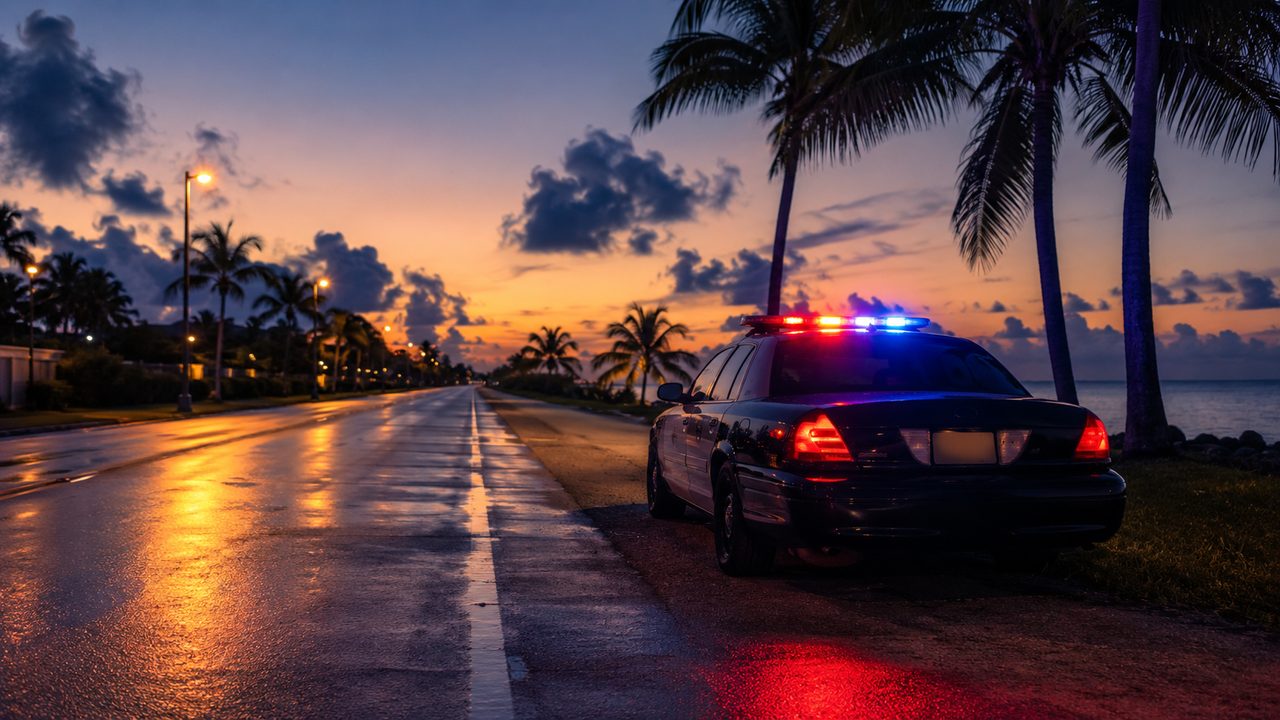
What to Do After a Suspected DUI Crash
Call law enforcement immediately and make sure officers document any signs of impairment they observe. A DUI arrest or citation becomes powerful evidence in your civil claim, though the two cases proceed separately. Seek medical attention even if you feel fine, because adrenaline masks injuries and Florida law requires treatment within 14 days to preserve full PIP benefits. Photograph the scene, collect witness contact information, and avoid giving a recorded statement to the other driver’s insurer before you understand your rights.
Holiday Traffic and Congestion Crashes
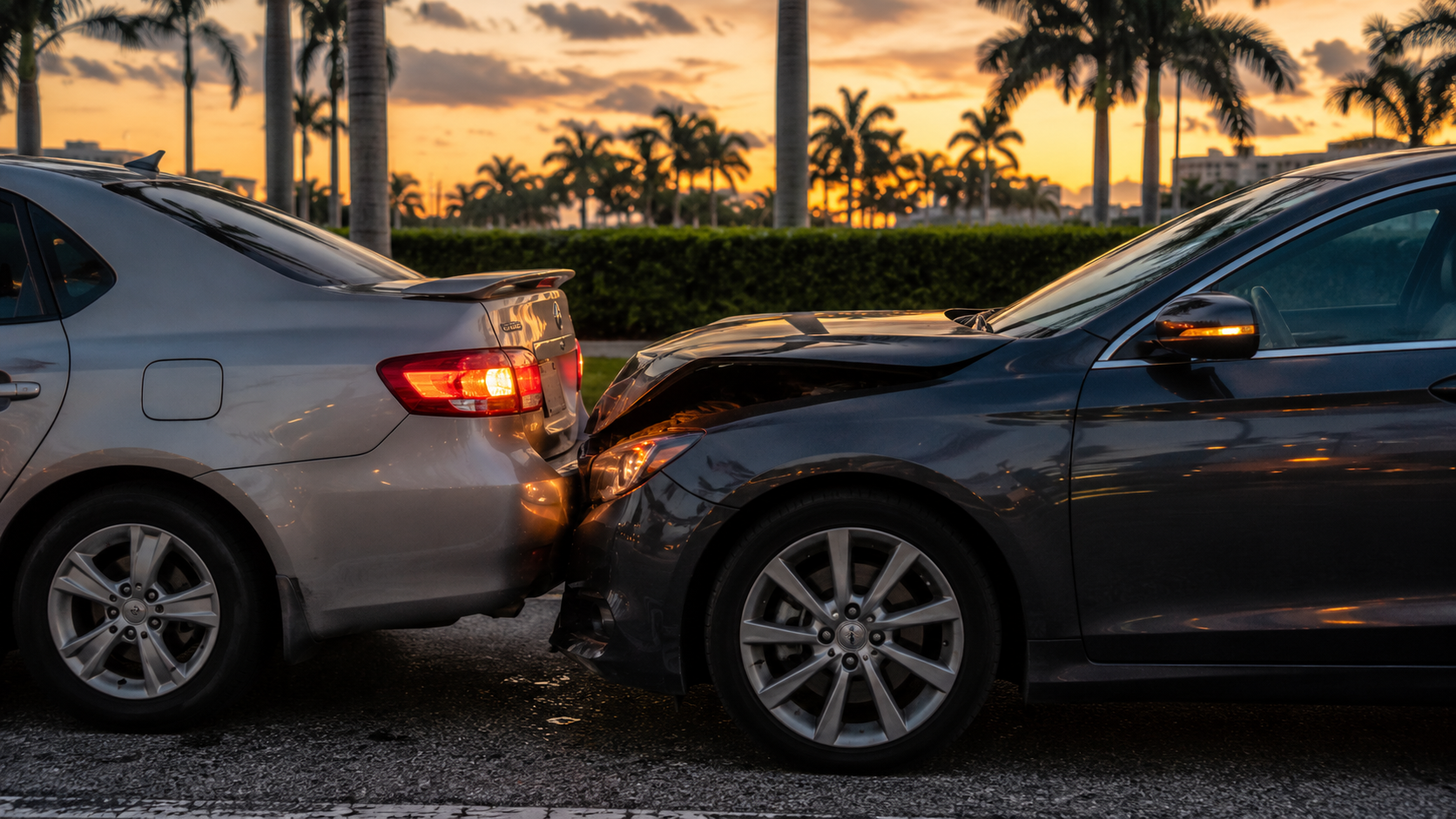
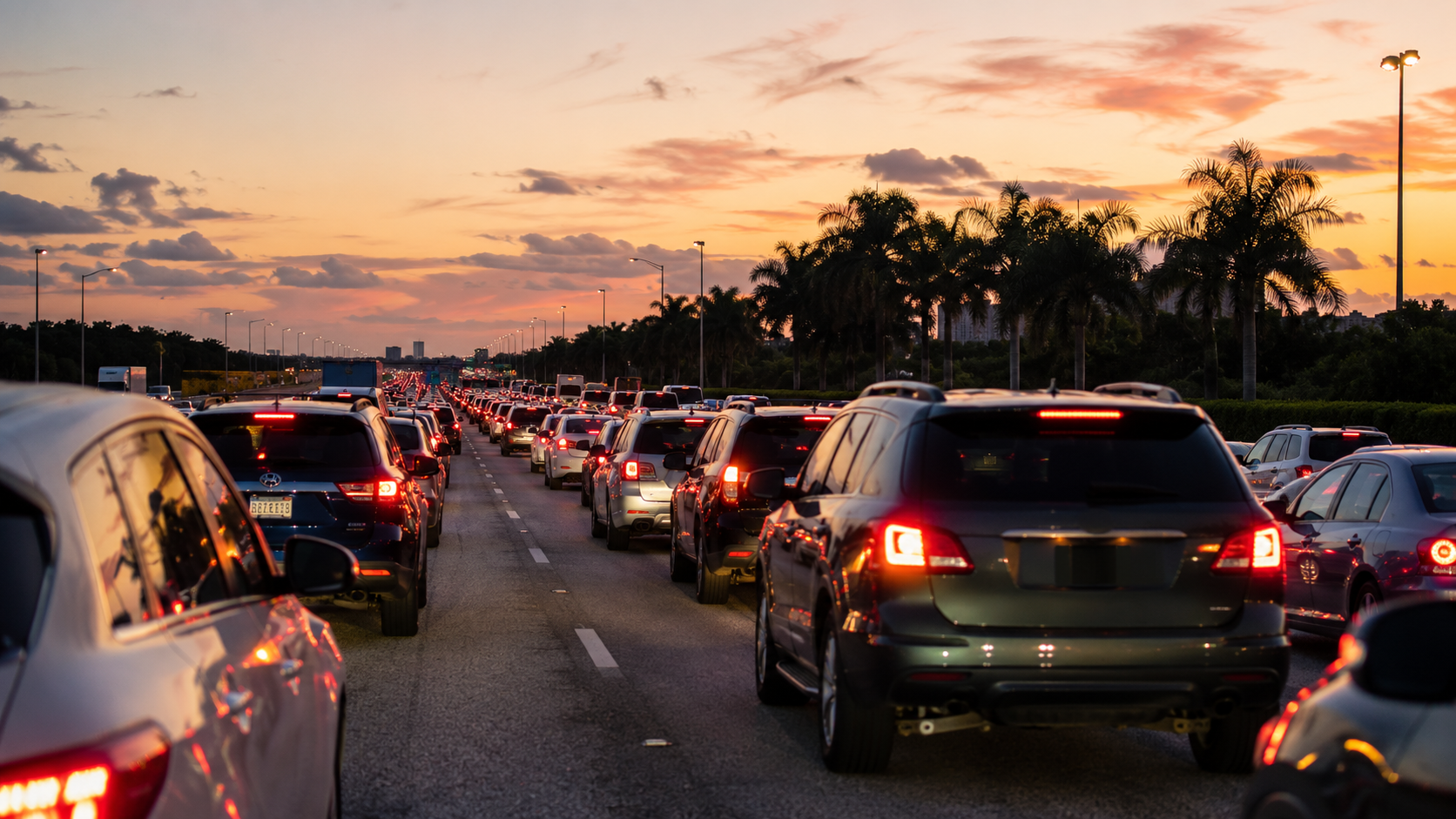
The Fourth is one of the busiest travel weekends of the year, and the crashes it produces are not all dramatic high-speed wrecks. Bumper-to-bumper traffic on I-95 and Federal Highway breeds rear-end collisions, sudden lane changes, and drivers who follow too closely. Out-of-town visitors unfamiliar with local roads add another layer of unpredictability at busy intersections and merges.
These crashes still cause real injuries. Whiplash, herniated discs, and concussions are common even at lower speeds, and they often surface a day or two later once the adrenaline fades. If another driver’s carelessness put you in the hospital, our car accident attorneys can help you sort out fault, insurance coverage, and the true value of your claim while you focus on recovery.
Walking to the Fireworks: When Drivers Hit Pedestrians
Holiday events draw crowds on foot, and many people walk back to their cars in the dark after a long day of celebrating. Drivers leaving the same events are often tired or impaired, and poorly lit lots and roadsides in Boca Raton and Delray Beach leave little margin when a driver is not paying attention. Pedestrians struck by vehicles suffer some of the most severe injuries because nothing stands between them and the impact.
Florida law still protects injured pedestrians. Your auto PIP can apply even when you are on foot, and a seriously injured pedestrian may pursue the at-fault driver directly. The same rules about prompt medical care and cautious dealings with insurers apply, so treat a pedestrian injury with the same urgency as a crash and get evaluated right away.
The First 72 Hours Matter Most
Across every one of these scenarios, the same principle holds. Evidence fades, memories blur, and insurance adjusters move fast. Taking the right steps early protects everything that follows.
Start with medical care, always. A documented visit within Florida’s 14-day window preserves your PIP benefits and creates a medical record that ties your injuries to the incident. Then preserve evidence: photographs, video, names and numbers of witnesses, and any police or incident reports. Keep receipts for out-of-pocket costs and a simple log of missed work and symptoms.
Be cautious with insurers. Adjusters often call within a day or two, friendly and eager to help, but their goal is to close your claim cheaply. You are not required to give a recorded statement, and you should not accept a quick settlement before you know the full extent of your injuries. A concussion or soft-tissue injury can take weeks to reveal itself, and once you sign a release, that door closes.
When to Call an Attorney
Not every fender bender needs a lawyer, but holiday cases tend to be more serious and more tangled. Multiple parties, alcohol, out-of-state tourists, and disputed fault all raise the stakes. If you were seriously hurt, if fault is contested, or if an insurer is already pressuring you, talking with counsel early costs you nothing and can prevent expensive mistakes. You can request a consultation to understand your options before making any decisions.
Frequently Asked Questions
Are July 4th car accidents really more common in Florida?
Yes. Independence Day weekend combines heavy holiday traffic, widespread alcohol use, and dense crowds on foot after dark. National data shows drunk-driving deaths rise sharply around the holiday, and Florida’s dense population and busy roads concentrate that risk, particularly across South Florida communities.
Does Florida no-fault insurance cover a holiday DUI crash?
Florida’s no-fault system applies first, so your own Personal Injury Protection pays initial medical bills and partial lost wages regardless of fault. If your injuries are serious enough to meet Florida’s threshold, you may step outside no-fault and pursue the impaired driver directly for full damages, including pain and suffering.
What if a drunk driver hits me as a pedestrian on July 4th?
Pedestrians struck by impaired drivers can pursue the at-fault driver for their injuries, and Florida PIP may provide initial coverage even without a vehicle of your own. Seek medical care within 14 days, document the scene and any witnesses, and avoid recorded statements to the driver’s insurer until you understand your rights.
What if whiplash or pain shows up days after a holiday crash?
Delayed symptoms are common after low-speed and rear-end collisions, and they do not mean your injury is minor. See a doctor within Florida’s 14-day window, describe every symptom, and keep following the treatment plan. Gaps in care give insurers a reason to argue your injuries were not serious or not related to the crash.
How long do I have to see a doctor after a Florida crash?
Florida law requires you to receive initial medical treatment within 14 days of a motor vehicle accident to preserve your Personal Injury Protection benefits. Waiting longer can reduce or eliminate that coverage, so prompt care matters even when injuries seem minor at first.
Should I talk to the insurance company before calling a lawyer?
You are not required to give a recorded statement to the other party’s insurer, and doing so early can hurt your claim. Adjusters aim to close cases cheaply. Speaking with an attorney first, especially in serious or disputed holiday cases, helps you avoid statements that undervalue your injuries.