Left turn accidents rank among the most common and contentious collision types on Florida roads, typically occurring when drivers misjudge oncoming traffic speed or distance while attempting turns. These crashes frequently result in serious injuries due to the perpendicular impact angles and speeds involved when turning vehicles meet oncoming traffic.
March brings increased intersection activity throughout South Florida as tourists unfamiliar with local roads attempt turns at busy intersections, while snowbirds and residents navigate congested routes through Boca Raton, Wellington, Delray Beach, and Palm Beach County. The combination of heavy traffic volumes and driver unfamiliarity creates perfect conditions for left-turn collisions.
At our South Florida car accident law firm, our 30+ years of experience include extensive experience with left turn accident cases where we help victims prove fault and recover compensation from negligent drivers.
Florida’s Left Turn Laws
Florida law establishes clear requirements for safe left turns that create liability when violated.
Duty to Yield:
Florida Statute 316.122 requires drivers making left turns to yield right-of-way to oncoming traffic and pedestrians. This means you cannot turn left until you can do so safely without forcing oncoming vehicles to brake or take evasive action. The law places primary responsibility on turning drivers to ensure adequate gaps in traffic before executing turns.
Protected vs. Unprotected Turns:
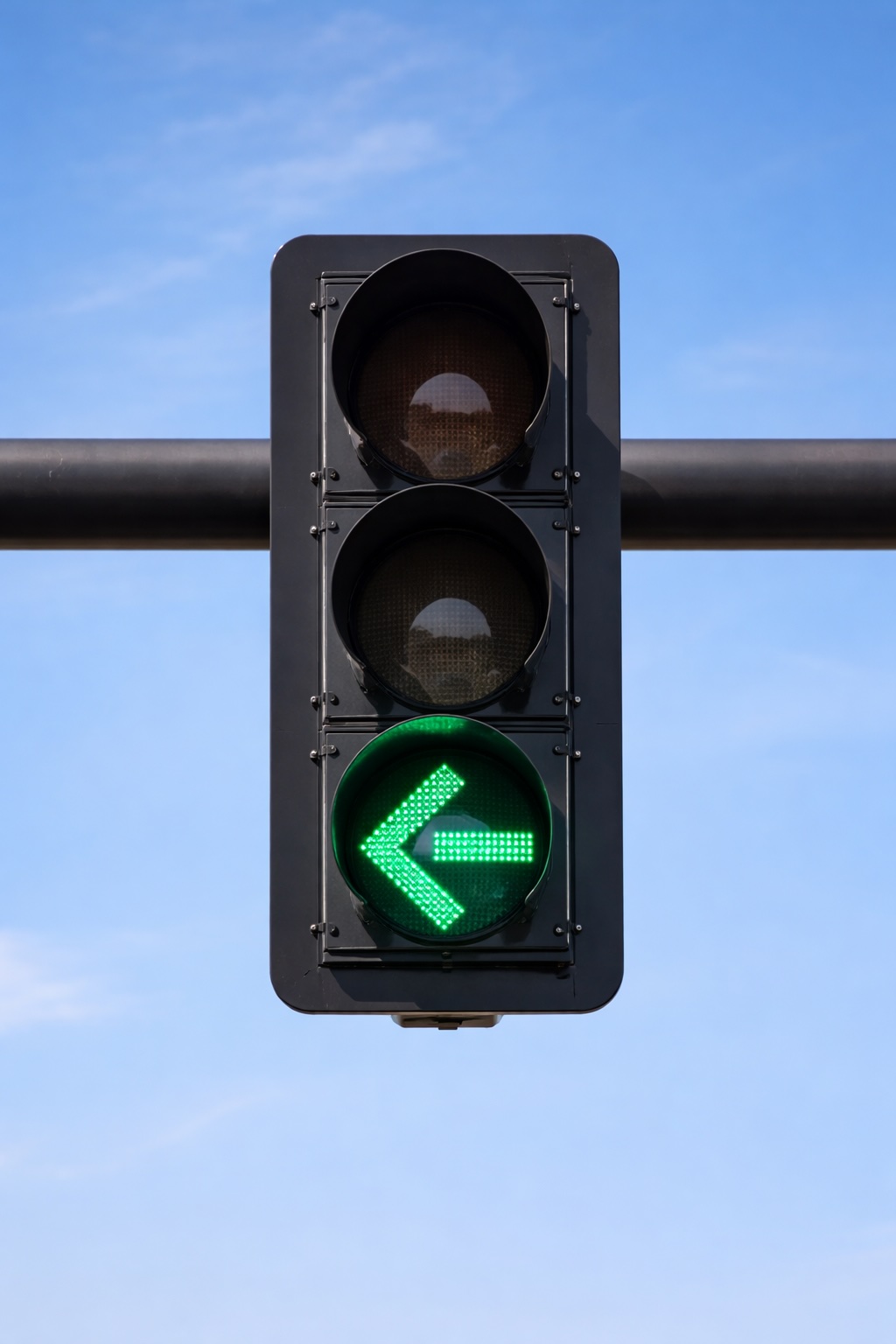
Left turns made on green arrows (protected turns) give turning drivers right-of-way over oncoming traffic, which should be stopped by red lights. However, most left turns occur on solid green lights where drivers must yield to oncoming traffic. According to a National Highway Traffic Safety Administration study, left-turn crashes at intersections frequently involve misjudgment of gaps, inadequate surveillance, and turning with obstructed views.
Common Left Turn Accident Scenarios
Several typical situations create left-turn liability questions.
Misjudging Oncoming Speed:
Drivers frequently underestimate how quickly oncoming vehicles approach, particularly on higher-speed roads. What appears to be adequate gap time proves insufficient when oncoming vehicles travel faster than anticipated. These accidents typically establish clear fault against turning drivers who failed to yield.
Oncoming Vehicle Runs Red Light:
Complex fault questions arise when turning drivers proceed on yellow or early red lights while oncoming traffic also runs the red light. Both drivers may share responsibility, though the driver who clearly entered the intersection legally generally bears less fault.
Blocked Vision:
Large vehicles in adjacent lanes sometimes block turning drivers’ views of oncoming traffic. While this creates sympathy for turning drivers, the law still requires them to ensure the path is clear before turning. Turning without adequate visibility constitutes negligence even when circumstances make assessment difficult.
Arrow Turns Red Mid-Turn:
Drivers who enter intersections on green arrows but complete turns after arrows turn red sometimes collide with cross-traffic that now has green lights. Fault depends on whether the turning driver entered the intersection legally before the signal changed.
Proving Fault in Left Turn Accidents
Establishing liability in left-turn collisions requires demonstrating which driver violated traffic laws.
Physical Evidence:
Damage patterns reveal collision dynamics. Front-end damage on the turning vehicle with side damage on the oncoming vehicle typically indicates the turner entered the oncoming vehicle’s path. The specific location and angle of impact helps reconstruct which vehicle had right-of-way.
Traffic Signal Timing:
When both drivers claim they had green lights, traffic signal timing records and intersection camera footage become crucial. Some modern signals log phase timing that establishes which lights showed what colors at accident times.
Witness Testimony:
Independent witnesses provide essential evidence about who had the right-of-way, whether signals were followed, and which driver entered the intersection first.
Florida’s Comparative Negligence
Left turn accidents sometimes involve shared fault requiring analysis under Florida’s comparative negligence system.
Oncoming Driver Duties:
While turning drivers bear primary responsibility, oncoming drivers must also maintain reasonable speeds and remain alert. Oncoming drivers traveling well above speed limits may share fault if their excessive speed contributed to accidents. Similarly, distracted oncoming drivers who could have avoided inattentive turners may bear partial responsibility.
Yellow Light Complexities:
Determining fault becomes more complex when accidents occur during yellow light phases. Oncoming drivers approaching yellow lights should prepare to stop if safe to do so, while turning drivers already in intersections may legally complete turns even as lights change.
Common Left Turn Accident Injuries
Left turn collisions cause serious injuries due to side-impact forces and high speeds.
T-Bone Impact Trauma:
When oncoming vehicles strike turning vehicles’ sides, occupants suffer severe injuries from door intrusions, window impacts, and lateral forces. Common injuries include traumatic brain injuries, spinal damage, broken ribs, and internal organ trauma. The lack of protective structure on vehicle sides makes these impacts particularly dangerous.
What to Do After Left Turn Accidents
Taking proper action after left turn collisions protects legal rights.
Call police to document which driver was turning and which had right-of-way. Officer observations about traffic signals, vehicle positions, and driver accounts provide crucial evidence. In disputed fault scenarios, police reports often determine how insurance companies initially assess liability.
Photograph final vehicle positions showing which direction each vehicle traveled and where they came to rest. Capture traffic signal configurations and any sight-line obstructions that affected visibility. Document all vehicle damage from multiple angles.
Seek immediate medical attention for any injuries. The forces involved in left-turn accidents often cause serious trauma that requires prompt evaluation.
Frequently Asked Questions
Am I always at fault if I was turning left? Not always. If oncoming traffic ran a red light or was speeding excessively, you may bear reduced or no fault despite turning.
What if both of us claim we had green lights? Investigation of traffic signal timing, witness statements, and physical evidence typically reveals which driver had right-of-way.
Can I recover if I was partially at fault? Yes, Florida allows recovery if you were 50% or less responsible, though compensation is reduced by your fault percentage.
How long do I have to file a claim? Florida allows four years for personal injury lawsuits, though prompt action preserves evidence.
Protecting Your Rights After Left Turn Accidents
Left turn accidents create liability disputes that require experienced legal representation. Insurance companies often attempt to place full blame on turning drivers even when oncoming traffic shares responsibility through speeding, red light violations, or other negligence.
If you’ve been injured in a left-turn accident in Boca Raton, Wellington, Delray Beach, or anywhere in Palm Beach or Broward Counties, contact Silver Injury Law for a free consultation. Our experienced car accident attorneys understand left turn liability and fight for maximum compensation.