
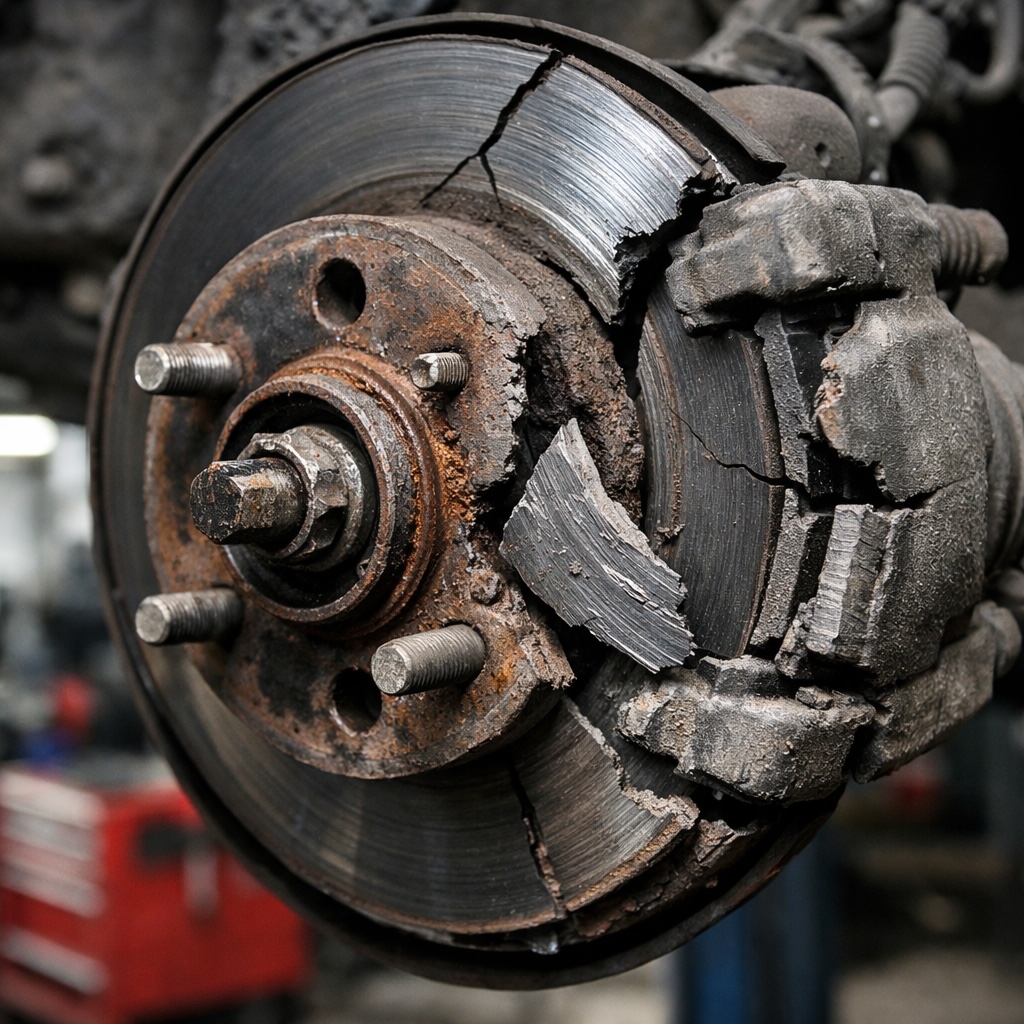
Vehicle defects transform routine trips into catastrophic accidents when critical safety systems fail without warning. Brake malfunctions, tire blowouts, steering failures, and airbag defects can leave even careful drivers helpless as their vehicles become uncontrollable hazards threatening everyone on the road.
Unlike typical accident cases where driver negligence causes collisions, defective vehicle accidents create unique liability questions. The responsible party may be a manufacturer thousands of miles away rather than another driver. April’s moderate weather encourages South Florida residents throughout Boca Raton, Wellington, Delray Beach, and Palm Beach County to increase highway travel, making mechanical reliability critical as families venture onto I-95 and Florida’s Turnpike for spring activities.
At Silver Injury Law, our 30+ years serving South Florida includes experience with product liability cases where we help victims prove manufacturing defects caused their accidents and hold corporations accountable for dangerous products.
Types of Defective Vehicle Accidents
Manufacturing defects, design flaws, and inadequate warnings create different categories of product liability with distinct legal standards.
Brake System Failures:
Brake defects range from faulty brake lines that rupture without warning to defective master cylinders that lose pressure gradually. Anti-lock braking systems can malfunction, causing wheels to lock during emergency stops rather than preventing lockup as designed. When brakes fail at highway speeds, drivers face impossible situations where no amount of skill prevents collisions. The sudden realization that pressing the brake pedal produces no response leaves drivers mere seconds to react before impact becomes inevitable.
Tire Defects and Blowouts:
Tire failures occur when manufacturing defects create weak spots in sidewalls or tread separation allows rubber layers to peel away at speed. High-speed blowouts cause immediate loss of vehicle control as drivers instinctively overcorrect, often sending vehicles into spins or rollovers. Defective tires may appear perfectly normal during visual inspections, hiding internal structural failures that manifest catastrophically during highway driving.
Steering and Suspension Defects:
Power steering failures leave drivers suddenly wrestling with vehicles that require extreme force to turn. Suspension component failures can cause wheels to collapse or separate entirely, making steering impossible regardless of driver input. These defects often strike without warning symptoms, giving drivers no opportunity to safely pull over before complete failure occurs.
Airbag Defects:
Airbags should deploy during collisions to protect occupants, yet defective systems either fail to deploy when needed or deploy unexpectedly without any impact. The massive Takata airbag recall demonstrated how widespread defects can affect millions of vehicles, with faulty inflators causing airbags to explode with excessive force, sending metal fragments into passenger compartments. Airbags that fail to deploy leave occupants unprotected during severe impacts, while those that deploy without cause can trigger accidents by startling drivers or causing injuries during normal driving.
Proving Manufacturing Defects Caused Accidents
Establishing that vehicle defects rather than driver error caused accidents requires technical evidence and expert analysis.
Preserving Physical Evidence:
The wrecked vehicle itself provides crucial evidence of mechanical failure. Brake components showing fractures, tires with separated treads, or steering systems with broken parts demonstrate defects existed at collision time. Expert mechanical inspections must occur before repairs or disposal destroy this evidence. Insurance companies often pressure victims to total vehicles quickly, eliminating proof needed for product liability claims.
Recall and Complaint Records:
Manufacturers issue recalls when defects create safety risks, though recalls often come only after numerous accidents occur. According to the National Highway Traffic Safety Administration, millions of vehicles are recalled annually for safety defects. Checking whether your vehicle was subject to recalls for the failed component strengthens defect claims substantially. NHTSA complaint databases reveal whether other owners reported similar failures, establishing patterns that prove defects rather than isolated malfunctions.
Expert Testimony:
Automotive engineers and accident reconstruction specialists examine failed components to determine whether defects or normal wear caused failures. These experts test similar components, review manufacturing specifications, and analyze failure modes to establish causation. Their testimony explains complex mechanical failures to juries who must understand why defects rather than maintenance issues caused accidents.
Maintenance Records:
Complete service records prove proper maintenance, countering manufacturer arguments that neglect caused failures. Regular oil changes, tire rotations, and brake inspections documented by reputable mechanics demonstrate responsible ownership. Vehicles maintained according to manufacturer specifications that still experience catastrophic failures provide strong evidence of defective design or manufacturing.
Types of Product Liability Claims
Florida law recognizes three distinct theories for holding manufacturers liable for defective products.
Manufacturing Defects:
These occur when individual vehicles or components differ from design specifications due to production errors. A brake line with weak welds or a tire missing internal reinforcement layers represents manufacturing defects. Even if the design is sound, the specific product that injured you was improperly made.
Design Defects:
Sometimes entire product lines contain inherent flaws, making them unreasonably dangerous even when manufactured perfectly to specifications. Design defect claims argue manufacturers should have used safer alternative designs available when the product was created. These cases often involve multiple similar failures across many vehicles of the same make and model.
Failure to Warn:
Manufacturers must warn consumers about non-obvious dangers associated with their products. Inadequate owner’s manual warnings about known failure risks or missing maintenance requirements can establish liability when predictable dangers injure users who lacked proper warnings.
Who Can Be Held Liable
Multiple parties in the manufacturing and distribution chain may bear responsibility for defective vehicle accidents.
Vehicle Manufacturers:
Original equipment manufacturers bear primary responsibility for the vehicles they produce. This includes major automakers like Ford, GM, Toyota, Honda, and others who design and assemble complete vehicles. These corporations possess resources to thoroughly test products and identify defects before releasing vehicles to the public.
Parts Manufacturers:
Many vehicle components come from third-party suppliers rather than automakers themselves. Brake systems, tires, airbags, and other critical parts often carry separate manufacturer liability. When supplier-made components fail, both the parts manufacturer and vehicle assembler may share responsibility.
Dealerships:
Dealers who sell vehicles with known defects without disclosure can face liability alongside manufacturers. If recalls existed before sale or dealers discovered defects during pre-delivery inspections yet sold vehicles anyway, they share responsibility for resulting accidents.
Common Defective Vehicle Injuries
Accidents caused by mechanical failures often produce severe injuries due to victims’ inability to avoid or minimize impact forces.
Rollover Trauma:
Tire blowouts and steering failures frequently cause rollovers where vehicles flip multiple times. Occupants may suffer crushing injuries, traumatic brain injuries from repeated impacts, spinal cord damage, and severe lacerations from broken glass and crushed metal. Rollover accidents produce some of the most catastrophic injury patterns seen in vehicle crashes.
High-Speed Impact Injuries:
Brake failures prevent speed reduction before collisions, causing impacts at full highway velocity. These high-energy crashes produce devastating injuries including multiple fractures, internal organ damage, severe head trauma, and often fatalities. The forces involved in unreduced-speed collisions far exceed those in typical accidents where drivers brake before impact.
What to Do After Suspected Defect Accidents
Taking proper action preserves evidence and protects legal rights when mechanical failures cause accidents.
Do not allow anyone to repair or dispose of your vehicle before consulting an auto accident attorney. The wrecked vehicle provides essential proof of mechanical failure. Insurance companies may pressure quick settlements and vehicle disposal, but once physical evidence disappears, proving defects becomes nearly impossible.
Document everything about the accident and vehicle history. Photograph all damage, collect maintenance records, note any unusual sounds or handling issues experienced before the accident, and preserve any warning lights or messages that appeared. This information helps experts determine whether pre-accident symptoms indicated developing failures.
Report suspected defects to NHTSA through their website. Your report contributes to safety investigations and recall determinations that protect other drivers while documenting your experience in federal databases.
Seek immediate medical attention even if injuries seem minor initially. Defect-related accidents often involve high forces producing serious internal injuries that may not cause obvious symptoms immediately.
Frequently Asked Questions
How do I know if a defect caused my accident? Sudden mechanical failures without warning, vehicles subject to recalls for the failed component, or similar failures reported by other owners suggest defects over normal wear.
Can I sue if my accident involved both a defect and driver error? Yes, multiple parties can share liability. Even if another driver contributed to the accident, manufacturers remain liable for defect-related injuries.
How long do I have to file a defect claim? Florida’s four-year statute of limitations for product liability begins when the injury occurs, though earlier action preserves evidence better.
What if the defect was recalled but I never received notice? Manufacturers remain liable even if recall notices failed to reach you, as they bear responsibility for adequate notification.
Protecting Your Rights After Defective Vehicle Accidents
Product liability cases against major manufacturers require extensive resources and expertise. These corporations employ teams of attorneys and engineers to dispute defect claims and minimize payouts. Without experienced legal representation, victims face overwhelming opposition from well-funded corporate defense teams.
If you suspect a vehicle defect caused your accident in Boca Raton, Wellington, Delray Beach, or anywhere in Palm Beach or Broward Counties, contact us for a free consultation. Our experienced car accident attorneys understand product liability law and work with expert witnesses who prove manufacturing defects caused injuries.
Remember: there’s no obligation for our consultation, and we only get paid when we successfully recover compensation.