
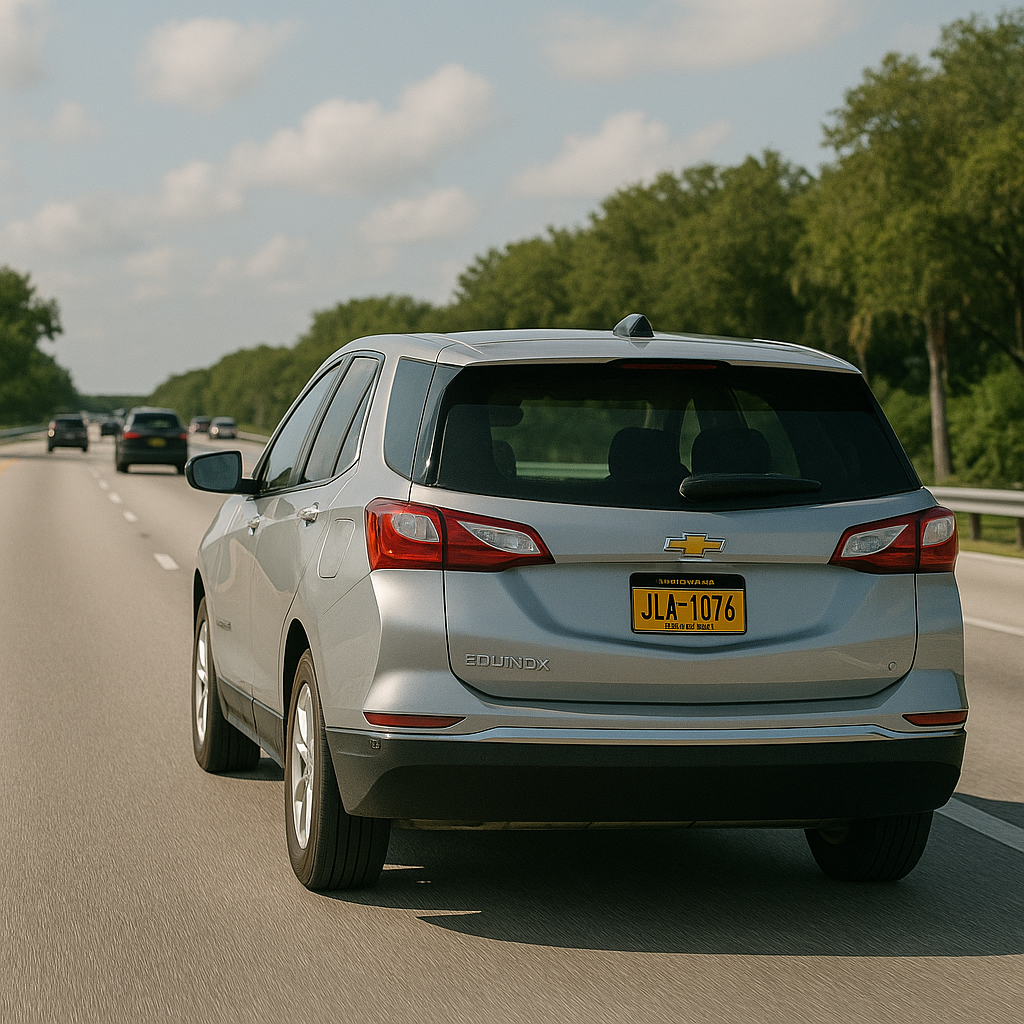
Winter visitors, affectionately known as snowbirds, transform South Florida’s population and roadways each year between November and April. These seasonal residents escape harsh northern winters to enjoy our mild climate, but their presence creates unique traffic safety challenges and accident liability complications. Understanding snowbird car accident issues in Florida helps both year-round residents and winter visitors navigate the legal and insurance complexities when collisions occur.
January represents peak snowbird season in Palm Beach and Broward Counties, with hundreds of thousands of temporary residents settling into Boca Raton, Delray Beach, Wellington, and surrounding communities. This population surge brings unfamiliar drivers onto already congested roads, significantly increasing accident risks throughout the region.
At our car accident law firm, our 30+ years serving South Florida means we regularly handle accidents involving snowbirds, addressing the distinct challenges these cases present for insurance coverage, liability determination, and claim resolution.
Florida’s Snowbird Population Impact
South Florida hosts one of the nation’s largest seasonal migration patterns. Snowbirds from Canada, the Northeast, and the Midwest descend on our region each winter, dramatically altering local traffic patterns and accident statistics.
Peak Season Timing:
The snowbird influx begins in November, peaks during January through March, and tapers off by late April. During these months, traffic volumes increase substantially on major routes including I-95, Florida’s Turnpike, and local roads throughout Palm Beach County. Shopping centers, medical facilities, and popular destinations experience crowded parking lots and congested access roads as snowbirds navigate unfamiliar territory.
Common Accident Scenarios:
Snowbirds unfamiliar with local roads frequently miss turns, make sudden lane changes, or hesitate at intersections, creating hazards for surrounding traffic. Differences in driving customs between states and provinces contribute to accidents. Canadian snowbirds accustomed to metric speed measurements may misinterpret posted limits. Northeastern drivers used to aggressive urban traffic may clash with Florida’s more relaxed driving culture.
Popular snowbird communities in West Boca Raton, Century Village, and Kings Point see concentrated accident activity as older drivers navigate busy internal roads and congested parking areas. Medical appointments, early bird dinner crowds, and social activities create predictable traffic surges that increase collision risks.
Unique Insurance Complications in Snowbird Car Accidents
Snowbird accidents create insurance challenges that don’t arise in typical Florida collisions, requiring careful navigation to ensure proper coverage and compensation.
Out-of-State Insurance Policies:
Most snowbirds maintain auto insurance through their home state or province, raising questions about coverage validity in Florida. Generally, legitimate out-of-state policies provide coverage for accidents occurring in Florida, but coverage limits and policy terms vary significantly between jurisdictions.
Some Canadian snowbirds carry insurance policies that provide limited coverage in the United States or impose strict time restrictions on extended stays. These limitations can leave accident victims with inadequate compensation sources when snowbird drivers cause serious injuries.
Reciprocity and Coverage Verification:
Florida participates in interstate insurance reciprocity agreements, but verifying out-of-state coverage after accidents requires additional steps. Police may not always confirm insurance validity at accident scenes, leaving victims uncertain about available coverage until days or weeks later.
Snowbirds who spend extended periods in Florida may face insurance complications if their policies require them to maintain primary residence in their home jurisdiction. Some insurers deny coverage when drivers spend more than six months annually in Florida, arguing that Florida should be considered their primary residence requiring Florida-based insurance.
Additional Considerations for Canadian Snowbirds:
Canadian auto insurance typically provides coverage for extended stays in the United States, but policy limits may be expressed in Canadian dollars, creating currency conversion issues when settling claims. Additionally, Canadian policies may exclude certain coverage types required or standard in Florida, creating gaps in available compensation.
Determining Liability in Snowbird Accidents
Establishing fault in snowbird accidents follows the same legal principles as any Florida collision, but practical complications often arise.
Florida’s Comparative Negligence System:
Florida law allows accident victims to recover compensation even when partially at fault, provided they bear 50% or less responsibility. Your compensation reduces by your fault percentage, so a victim 30% responsible receives 70% of total damages. This system applies equally whether the at-fault driver is a permanent resident or winter visitor.
Out-of-State Driving Laws:
Snowbirds sometimes claim unfamiliarity with Florida traffic laws as a defense, arguing that different rules in their home jurisdiction caused confusion. However, Florida law requires all drivers to follow local traffic regulations regardless of their home state or province. Ignorance of Florida laws provides no liability defense.
Common areas where snowbird unfamiliarity contributes to accidents include right-turn-on-red rules, U-turn regulations, and yielding requirements at four-way stops. These violations still constitute negligence even when drivers claim confusion about Florida rules.
What to Do After an Accident with a Snowbird
Taking proper action after colliding with a snowbird driver protects your legal rights and addresses unique insurance challenges.
Document Everything Thoroughly:
Collect complete insurance information including the policy number, insurance company name and contact information, and policy effective dates. Request the driver’s home address in addition to any temporary Florida residence. Photograph both the driver’s license and insurance card to preserve evidence of coverage details.
Get witness contact information, as snowbird witnesses may return to their home jurisdictions before claims conclude. Their statements and contact details become crucial if disputes arise later requiring testimony or additional information.
Verify Insurance Coverage Promptly:
Contact the snowbird driver’s insurance company as soon as possible to verify active coverage and confirm the policy covers Florida accidents. Don’t assume an out-of-state or Canadian insurance card guarantees valid coverage, as policies can lapse or contain geographic restrictions.
According to CarInsurance.com, snowbirds who bring vehicles to Florida for more than 90 days in a calendar year must register their cars in Florida and meet the state’s insurance requirements, creating coverage complications for winter visitors.
Seek Medical Attention:
Visit a doctor or emergency room even for seemingly minor injuries. Your Florida PIP coverage provides initial medical benefits regardless of who caused the accident, but you must seek treatment promptly to preserve coverage and establish injury causation.
Special Considerations for Year-Round Residents
Florida residents injured by snowbird drivers face distinct challenges that require understanding and proactive response.
Uninsured Motorist Coverage Importance:
Some snowbirds drive with lapsed or invalid insurance despite carrying insurance cards. Others maintain coverage levels that prove inadequate for serious injury compensation. Your Uninsured Motorist (UM) and Underinsured Motorist (UIM) coverage becomes crucial protection when snowbird drivers lack sufficient insurance.
If you don’t currently carry UM/UIM coverage or maintain only minimum limits, consider increasing this protection before peak snowbird season. The relatively small additional premium provides valuable protection against inadequate snowbird insurance.
Out-of-State Collection Challenges:
Even with valid liability judgments against snowbird drivers, collecting compensation can prove difficult when defendants return to their home jurisdictions. Cross-border collection from Canadian snowbirds presents particular challenges requiring specialized legal procedures.
These collection difficulties make securing adequate insurance coverage at the outset crucial, as pursuing individual snowbirds for compensation often proves impractical after they leave Florida.
When Snowbirds Are Injured in Florida Accidents
Snowbirds injured in Florida accidents face their own unique challenges navigating our state’s legal and insurance systems.
Florida’s No-Fault System:
Florida requires all registered vehicles to carry Personal Injury Protection (PIP) coverage, but snowbirds driving vehicles registered in other states typically don’t have Florida PIP. Instead, their home state insurance provides initial medical coverage according to that jurisdiction’s rules.
When Florida residents cause accidents injuring snowbirds, the snowbird’s ability to pursue compensation depends on Florida’s permanent injury threshold requirements and their own insurance policy terms regarding out-of-state claims.
Extended Stay Medical Treatment:
Snowbirds who suffer injuries requiring ongoing treatment face decisions about whether to remain in Florida for medical care or return home for treatment. These decisions affect insurance coverage, treatment continuity, and claim valuation in ways that require careful consideration and legal guidance.
How Silver Injury Law Handles Snowbird Accident Cases
Our decades of experience in South Florida gives us unique familiarity with snowbird accident complications and effective resolution strategies.
We understand how to verify out-of-state and Canadian insurance coverage, work with foreign insurance companies, and address cross-border legal issues. Our relationships with insurance adjusters handling snowbird claims help facilitate efficient claim processing and fair settlements.
When insurance coverage proves inadequate or disputed, we know how to maximize recovery through UM/UIM claims and pursue all available compensation sources. Our experience with Florida’s comparative negligence system ensures clients receive fair fault allocations even when insurance companies attempt to shift blame.
We handle all snowbird accident cases on a contingency fee basis, meaning you pay no attorney fees unless we successfully recover compensation for your injuries.
Frequently Asked Questions
Is out-of-state insurance valid in Florida? Yes, legitimate insurance from other states and Canadian provinces generally provides coverage for Florida accidents, though limits and terms vary.
What if the snowbird driver’s insurance company is in Canada? Canadian insurance companies can be contacted for claims just like U.S. companies, though some additional procedural steps may apply.
Can I use my Florida PIP coverage after an accident with a snowbird? Yes, your PIP coverage applies regardless of the other driver’s residence or insurance status.
How long do I have to file a claim against a snowbird driver? Florida’s standard statute of limitations applies (four years for personal injury), but prompt action prevents drivers from leaving the jurisdiction.
Protecting Your Rights in Snowbird Accidents
Snowbird season brings wonderful cultural diversity and economic benefits to South Florida, but it also creates heightened accident risks and unique legal complications. Understanding these challenges helps both permanent residents and winter visitors protect their interests when collisions occur.
As January marks peak snowbird activity throughout Palm Beach and Broward Counties, awareness of insurance verification, liability determination, and claim procedures becomes especially important. Don’t let unfamiliar insurance systems or cross-border complications prevent you from recovering fair compensation for accident injuries.
If you’ve been involved in an accident with a snowbird driver in Boca Raton, Wellington, Delray Beach, or anywhere in South Florida, contact Silver Injury Law for a free consultation. Our experienced car accident attorneys understand snowbird accident complexities and fight for maximum compensation.
Remember: there’s no obligation for our consultation, and we only get paid when we successfully recover compensation for your injuries. Call (561) 279-3911 to speak with an attorney who understands Florida snowbird accident issues.