
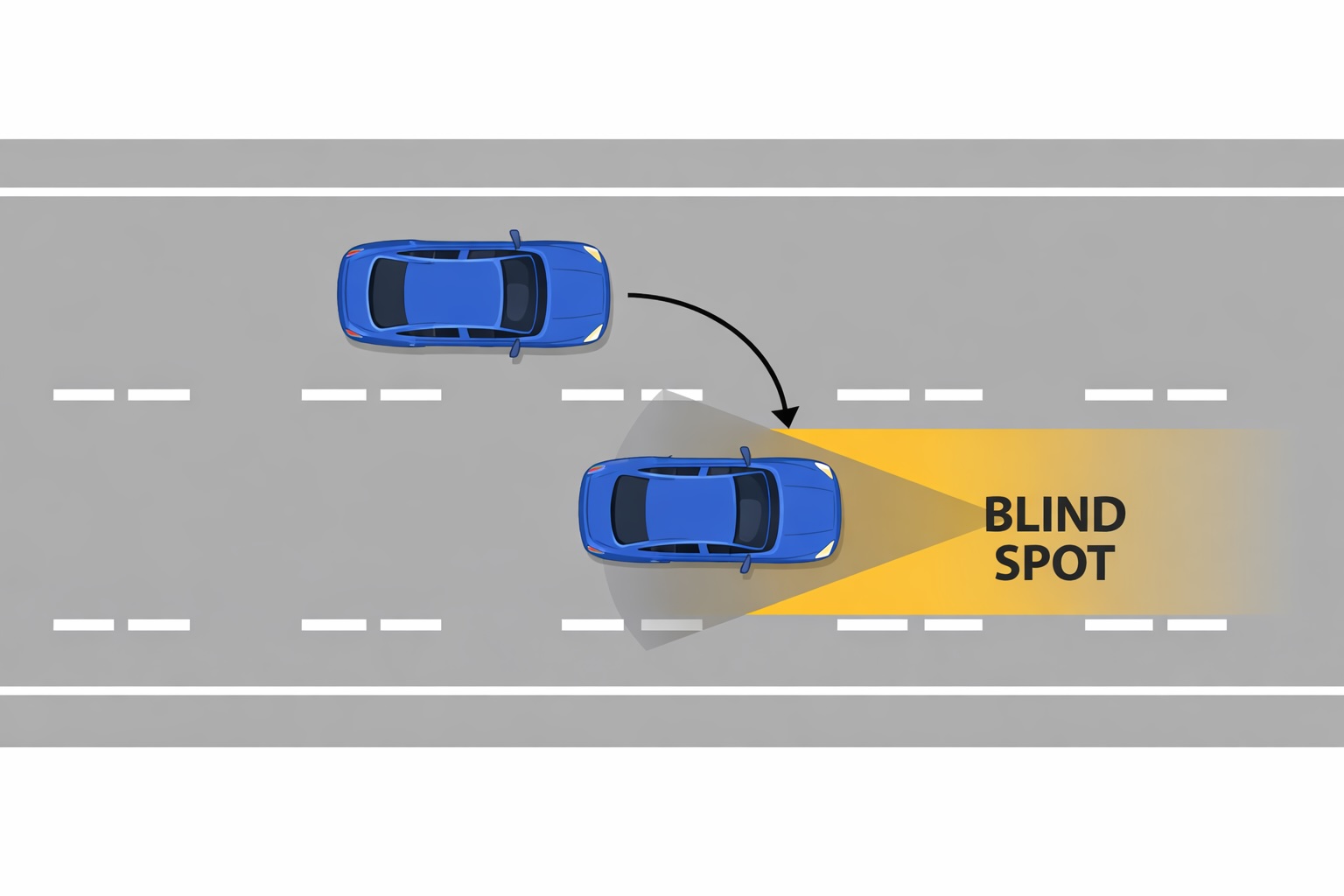
Lane change and merge accidents occur with frustrating frequency on South Florida’s congested highways, often resulting from drivers misjudging distances, failing to check blind spots, or making aggressive maneuvers in heavy traffic. While these collisions may seem straightforward, determining fault requires careful analysis of traffic laws, driver behavior, and specific circumstances surrounding each crash.
February brings particularly challenging highway conditions throughout Palm Beach and Broward Counties as peak snowbird season combines with tourist traffic and daily commuters. I-95, Florida’s Turnpike, US1, and other major roads experience heavy volumes where lane changes become necessary but risky maneuvers that frequently result in sideswipe collisions and multi-vehicle accidents.
At our South Florida car accident law firm, our 30+ years of practice include extensive experience with lane change accident cases where we help victims prove fault and recover compensation from negligent drivers who caused preventable crashes.
Florida’s Lane Change Laws
Florida law establishes clear requirements for safe lane changes that create liability when drivers violate these rules.
Duty to Change Lanes Safely:
Florida Statute 316.085 requires drivers to ensure lane changes can be made safely before moving from one lane to another. This means checking mirrors, verifying blind spots are clear, signaling intentions adequately in advance, and yielding to vehicles already occupying the target lane. Drivers who change lanes without confirming adequate space or time to complete the maneuver safely violate this statute and typically bear fault for resulting collisions.
The law places responsibility squarely on the driver attempting the lane change. You cannot force your way into a lane occupied by another vehicle simply because you need to exit or merge. According to the Florida Department of Highway Safety and Motor Vehicles, failure to properly execute lane changes contributes significantly to highway accidents throughout the state.
Signaling Requirements:
Florida law requires drivers to signal lane change intentions for at least 100 feet before moving. This advance notice gives surrounding drivers time to adjust their speeds and positions to accommodate the lane change safely. Drivers who change lanes abruptly without signaling, or who signal but immediately move without allowing adequate warning time, violate traffic laws and create liability for accidents.
Common Lane Change Accident Scenarios
Several typical situations create lane change collision liability questions that require legal analysis.
Blind Spot Failures:
The most common lane change accident occurs when drivers fail to check blind spots before moving laterally. Mirrors don’t reveal everything, and vehicles hiding in blind spots become collision victims when drivers move into occupied space. These accidents typically establish clear fault against the driver who changed lanes, as they failed to verify the lane was clear before moving.
Simultaneous Lane Changes:
When two vehicles attempt to move into the same center lane from opposite outside lanes, determining fault becomes more complex. Both drivers may share responsibility if neither adequately checked the target lane before moving. However, one driver often initiated the lane change first, giving them right of way over the later-moving vehicle. Dashboard camera footage and witness statements help establish timing in these disputed cases.
Unsafe Merge Speed Differentials:
Highway merges create accidents when entering drivers fail to match traffic flow speed before merging. Drivers who enter highways too slowly force traffic to brake suddenly, causing rear-end collisions. Conversely, drivers who merge at excessive speeds and cut across multiple lanes create dangerous situations that frequently result in crashes. The merging driver typically bears primary responsibility for these accidents, though highway drivers also owe duties to allow safe merging when possible.
Aggressive Weaving:
Drivers who weave through traffic by making multiple rapid lane changes demonstrate reckless disregard for safety. These aggressive maneuvers leave insufficient time to verify lanes are clear and often involve cutting off other vehicles. When weaving drivers cause accidents, their aggressive driving patterns establish clear liability and may support punitive damage claims in serious injury cases.
Proving Fault in Lane Change Accidents
Establishing liability in lane change collisions requires demonstrating which driver violated traffic laws and caused the crash.
Physical Evidence:
Vehicle damage patterns reveal collision dynamics. Sideswipe damage along vehicle sides shows lateral contact typical of lane change accidents. The location and angle of damage helps reconstruct which vehicle moved into the other’s lane. Front-quarter panel damage on one vehicle with side damage on another suggests the vehicle with front damage moved into the side of the other car.
Paint transfer between vehicles confirms contact points and can establish which vehicle bore primary movement responsibility. Deep paint transfer on one vehicle with superficial transfer on the other often indicates which vehicle was stationary or maintaining its lane.
Witness Testimony:
Independent witnesses provide crucial evidence about lane change accidents. Other drivers who observed the collision can testify about who changed lanes, whether turn signals were used, and whether adequate space existed before the lane change attempt. Passenger testimony from vehicles involved in crashes also helps establish what drivers saw and did before collisions.
Electronic Evidence:
Dashboard cameras capture lane change accidents with objective clarity, showing exactly who moved into whom and whether drivers signaled or checked blind spots. Many commercial vehicles and increasing numbers of passenger cars now carry these devices that provide irrefutable evidence of fault.
Traffic camera footage from highway monitoring systems sometimes captures accidents, though coverage remains limited. Requesting this footage promptly before automatic deletion becomes essential in cases occurring near camera locations.
Florida’s Comparative Negligence in Lane Change Cases
Lane change accidents sometimes involve shared fault between drivers, requiring analysis under Florida’s comparative negligence system.
Duties of Drivers in Target Lanes:
While drivers changing lanes bear primary responsibility for ensuring moves can be completed safely, drivers already occupying lanes also owe duties. Drivers cannot intentionally speed up to close gaps when they see other vehicles signaling lane change intentions. Similarly, drivers cannot block lane changes by maintaining positions that prevent merging traffic from entering highways safely.
When drivers in target lanes act aggressively to prevent reasonable lane changes, they may share fault for resulting accidents. However, these scenarios require clear evidence that the blocking driver’s conduct was unreasonable, not merely failing to facilitate another driver’s lane change preference.
Speed Differentials and Expectations:
Drivers maintaining consistent speeds in their lanes typically don’t bear fault when other drivers change into them. However, drivers traveling substantially faster than traffic flow may share some responsibility if their excessive speed contributed to accidents. The key question becomes whether the lane-changing driver could have reasonably detected the approaching vehicle’s speed and distance before attempting the maneuver.
Common Injuries in Lane Change Accidents
Lane change collisions frequently cause serious injuries despite sometimes appearing minor initially.
Sideswipe Impact Injuries:
Side-impact forces from lane change accidents can cause neck and back injuries as bodies twist during lateral collisions. Whiplash remains common even in seemingly minor sideswipes. Shoulder injuries occur when impact forces slam drivers and passengers against door panels or when drivers brace against steering wheels during collisions.
Multi-Vehicle Chain Reactions:
Lane change accidents often trigger secondary collisions as drivers brake suddenly or swerve to avoid the initial crash. These chain reactions increase injury severity and complicate liability determination across multiple vehicles and drivers.
What to Do After a Lane Change Accident
Taking proper action after lane change collisions protects your legal rights and strengthens potential claims.
Call police to document the accident, particularly in disputed fault scenarios where each driver blames the other for changing lanes unsafely. Officer observations about vehicle positions, damage patterns, and driver statements provide important evidence. Request that officers note which lanes vehicles occupied and any physical evidence of lane change direction.
Photograph all vehicle damage from multiple angles, showing the specific location and pattern of damage that indicates collision dynamics. Capture final vehicle positions if safe to do so before moving vehicles. Note road conditions, lane markings, and traffic density that may have contributed to the accident.
Collect witness contact information immediately, as witnesses rarely remain at accident scenes for extended periods. Their accounts become crucial when drivers dispute who changed lanes or whether signals were used.
How Silver Injury Law Handles Lane Change Cases
Lane change accidents require thorough investigation and aggressive advocacy to overcome insurance company defenses. We work with accident reconstruction experts when necessary to prove fault through scientific analysis of vehicle damage, road evidence, and collision physics.
Our experience includes countering common insurance company arguments that attempt to shift blame to victims. We know how to demonstrate through evidence that our clients maintained their lanes while negligent drivers moved into them unsafely.
We handle all lane change accident cases on a contingency fee basis, meaning you pay no attorney fees unless we successfully recover compensation for your injuries.
Frequently Asked Questions
What if both drivers claim the other changed lanes? Physical evidence, witness statements, and damage patterns typically reveal which vehicle moved laterally into the other’s lane.
Can I recover if I was partially at fault? Yes, Florida’s comparative negligence allows recovery if you were 50% or less responsible, though your compensation is reduced by your fault percentage.
What if the other driver didn’t use their turn signal? Failure to signal constitutes a traffic violation that strengthens your liability case, though you must still prove the lane change caused the accident.
How long do I have to file a claim? Florida allows four years to file personal injury lawsuits, but prompt action preserves evidence and strengthens cases.
Protecting Your Rights After Lane Change Accidents
Lane change accidents create liability disputes that require experienced legal representation to navigate successfully. Insurance companies often attempt to blame victims by claiming they could have avoided collisions or shared responsibility for accidents clearly caused by unsafe lane changes.
As February brings peak traffic volumes to South Florida highways with snowbirds, tourists, and daily commuters all competing for limited road space, lane change accidents occur with unfortunate frequency. Understanding your rights and taking proper action after these collisions ensures you receive fair compensation.
If you’ve been injured in a lane change accident in Boca Raton, Wellington, Delray Beach, or anywhere in Palm Beach or Broward Counties, contact Silver Injury Law for a free consultation. Our experienced car accident attorneys understand lane change liability and fight for maximum compensation.
Remember: there’s no obligation for our consultation, and we only get paid when we successfully recover compensation for your injuries. Contact us today for a free consultation.